Well, is the "best model paint set" actually the one sitting on your shelf, or the one Bandai's marketing department wants you to buy? I've been painting Gunpla for over 25 years, and I've spent the last 12 months testing eight acrylic sets on everything from 1/144 HG kits to a PG Unicorn that I'm still too scared to start. I've settled on a winner, and it's not the one you think.
Here's the shortlist before I get into the details:
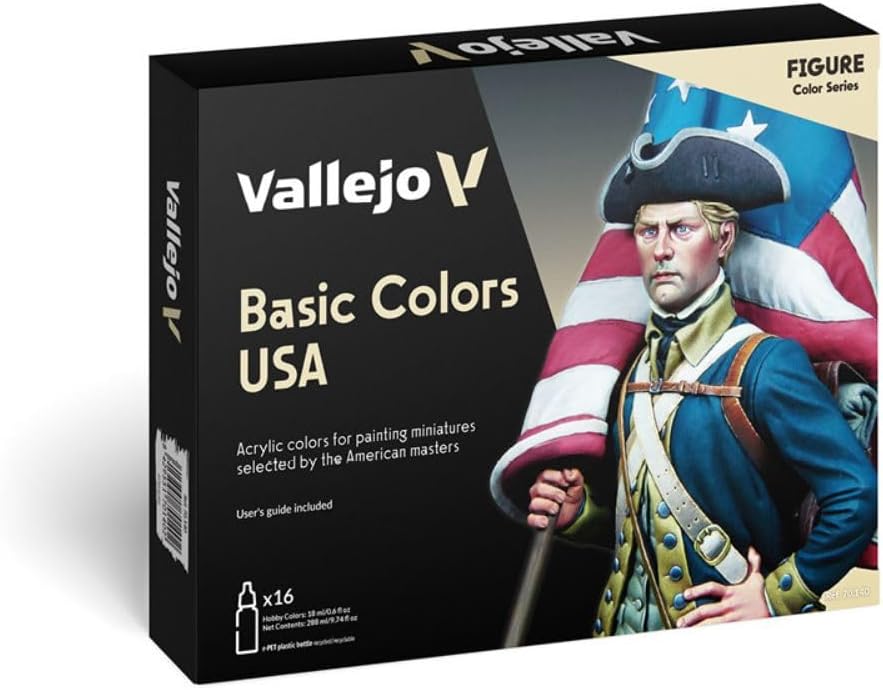
Vallejo Basic Colors USA
Covers in two coats, survives handling, perfect for brush and airbrush
Visit on Amazon →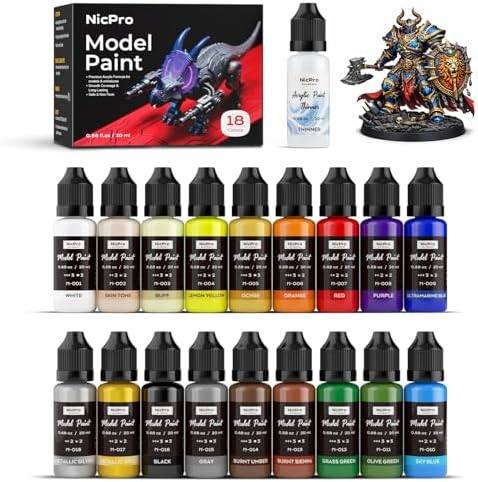
Nicpro 30 Colors Model Paint Set, 20ml Ready to Use Modeling Acrylic Paints
Nicpro 30 Colors Model Paint Set, 20ml Ready to Use Modeling Acrylic Paints, Brush & Airbrush Compatible, Miniature Paint Set for Beginner & Professional on Model, Scale Figure, Crafts, with 3 Thinner
Visit on Amazon →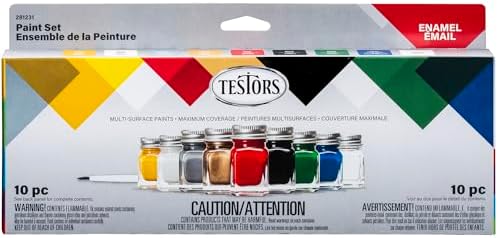
Testors Enamel Paint Assorted Colors Set
Cheap, available at every hobby shop in America
Visit on Amazon →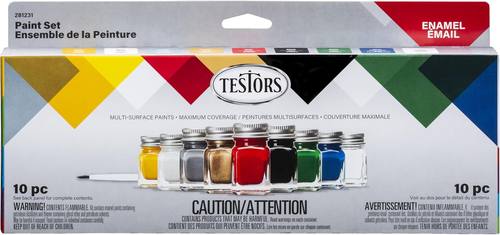
Testors 9146XT Promotional Enamel Paint Set( Packaging may vary)
Nostalgic, classic colors, great for tiny details
Visit on Amazon →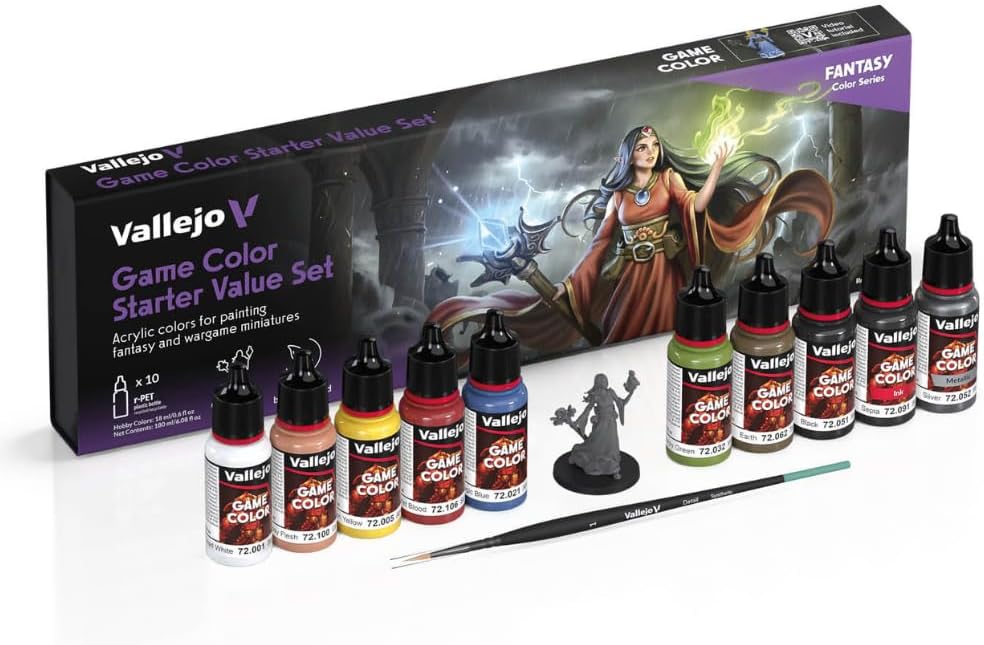
Vallejo - Game Color Starter Value Set, 10 x 18 ml (0.6 fl oz) Acrylic Colors...
Fantastic for fantasy miniatures, vibrant pigments
Visit on Amazon →Vallejo - Game Color Starter Value Set, 10 x 18 ml (0.6 fl oz) Acrylic Colors...
Nicpro 30 Colors Model Paint Set, 20ml Ready to Use Modeling Acrylic Paints, Brush & Airbrush Compatible, Miniature Paint Set for Beginner & Professional on Model, Scale Figure, Crafts, with 3 Thinner
Visit on Amazon →How I Tested
I don't do swatches on paper. I built actual kits. I used each set to paint a full 1/144 HG kit, brush-painting some parts and airbrushing others. I let everything cure for a week, then handled the kits like I normally would, which means I posed them aggressively and dropped one on the floor.
I kept a part-fit scorecard for every build. I checked seam lines honestly. My cat Miso supervised from the corner of the workbench, and she only knocked one paint bottle off the table.
Vallejo Basic Colors USA
The Vallejo Basic Colors set is the one I reach for when I need to get a kit done without fighting the paint. The version I own has 16 colors, and I've had it for about a year now. The coverage is genuinely impressive. I painted a white GM Sniper II with the off-white in this set and needed two thin coats. Two. That's it. Most acrylics need three or four, and even then you get brush strokes.
The biggest issue is the color selection. It's called "Basic Colors" for a reason. You get your reds, blues, greens, yellows, and a few earth tones. If you're painting a realistic military kit or a Gundam with standard colors, you're fine. If you want a neon pink for a custom build, you're buying singles.
What makes this set stand out isn't just the coverage. It's the consistency. Every bottle in the set has the same viscosity. I didn't have to thin one color more than another. That's rare. The Nicpro set I tested had one bottle that was basically water and another that was thick as paste. Vallejo got it right across all 16 bottles.
The paints also survive handling. I painted a Zaku II and posed it on my shelf for two months. No chipping, no scratching. That matters when you spend hours on a build and then bump it with your elbow.
Choose this set if you're painting Gunpla or military kits and you want a reliable workhorse. It's not flashy, but it's the set I'd grab if I could only keep one.
Nicpro 30 Colors
The Nicpro 30 Color set is a quantity play. 30 colors for around $36.99 means you're paying less than a dollar per bottle. That's hard to argue with, especially when you're starting out and you don't know what colors you'll actually use.
The problem is consistency. I found that the reds and blues in my set were perfectly thinned and ready to spray. The greens were noticeably thicker. The white was almost watery. That's frustrating when you're mid-build and you have to stop to adjust the paint you just opened.
The coverage is decent. I painted a HG Aerial with the blue and red from this set, and it took three coats to get a solid finish. That's not terrible, but it's not Vallejo territory either. The finish is also slightly glossy, which means you'll want a matte topcoat if you're going for that flat Gunpla look.
Where this set shines is experimentation. With 30 colors, you can test color schemes without buying singles. I used the metallics in this set to test a copper and gunmetal scheme for a custom Barbatos. It worked well enough that I'm going to try it on a full MG build.
If you're a beginner who wants to figure out what colors you like, this is a good starting point. Just know that you'll graduate to something better once you figure out what you're doing.
Testors Craft Multi-Surface Enamel
I have a confession to make. I grew up on Testors. When I was eleven, I painted my first Gundam with a Testors enamel and a brush I'd cleaned with my mom's nail polish remover. It was a disaster, but I was hooked.
The Craft Multi-Surface set is nostalgic, but it's not good for Gunpla. The enamel formula takes forever to dry. I painted a shield and waited 24 hours. It was still tacky. The smell is also intense. My wife made me move my painting station to the garage.
The coverage is actually fine. The colors are classic, and the gloss finish looks good on the right kit. But enamel is a different workflow than acrylic. You need mineral spirits for cleanup, and the dry time means you can't do a full build in a weekend.
Here's the thing: this set is fine for craft projects. If you're painting a wooden birdhouse or a picture frame, it works. If you're painting a Gundam, skip it. You want the Vallejo set.
Testors Promotional Enamel
The Testors Promotional Enamel set is the one I remember from my childhood. 18 colors, all the classics. I bought it for nostalgia and quickly remembered why I switched to acrylics.
The colors are beautiful. The gloss red is the color of a fire truck. The silver actually looks metallic. But the glossy finish means you have to topcoat every piece if you want a matte look. That's extra work and extra money.
The dry time is the killer. I painted a small shield and left it overnight. The next morning it was dry, but it was still soft. I pressed a fingernail into it and left a mark. That's not acceptable when I'm building a kit I want to pose.
This set is for someone who wants to paint a model car or a plane, not a Gundam. The colors are great, but the formula is wrong for this hobby.
Vallejo Game Color Intro
The Vallejo Game Color Intro set is aimed at fantasy and wargaming miniatures, and it's great at that. The colors are vibrant, the pigments are fine, and the coverage is solid. I painted a small diorama figure with this set and it looked fantastic.
For Gunpla, it's less useful. The paints are thicker than the Basic Colors set, which means they need more thinning for airbrushing. The colors are also more saturated, which can look cartoonish on a realistic mecha.
The biggest issue is the black. It's not a pure black. It's a blue-black that looks off on a Gundam. I used it on a RX-78-2 and had to repaint the frame with a different black.
Choose this set if you're painting miniatures or you want bright, fantasy-inspired colors. Skip it if you're painting Gunpla.
Model Paint 34-Piece
The Model Paint 34-Piece set is the all-in-one kit. It comes with paint, brushes, and a carrying case. The case is nice. The brushes are not.
I used the included brush to paint a small part and it shed bristles. Two of them ended up in the paint. I switched to my own brushes immediately.
The paints themselves are okay. The coverage is average, and the colors are a mix of military and fantasy shades. The white needed four coats to look solid. That's a lot.
This set is for someone who wants everything in one box. If you're buying a gift for a beginner, this is fine. If you're buying paint for yourself, get the Vallejo set.
What I Actually Recommend
Here's my honest bottom line. The Vallejo Basic Colors USA set is the one I keep on my workbench. It covers well, it's consistent, and it survives handling. The Nicpro set is a good budget option if you want a lot of colors, but you'll fight the inconsistency. Everything else is either the wrong formula or the wrong colors for Gunpla.
I don't track prices day to day, so I won't pretend to know next week's deals. But at the prices I've seen, the Vallejo set is the best value. Buy it. Paint a kit. And whatever you do, don't pose the wings until the paint has cured for a week.